Numerous Trenchless re-pipe options
No need to be worried about having your beautiful landscape ruined by a re-pipe job! With our many trenchless options, get the job done without the mess! It's in most cases much more cost-effective and on our re-pipes, you have up to a 50-year limited warranty! See the different options below, and choose what works best for your situation.
Pipe Bursting:

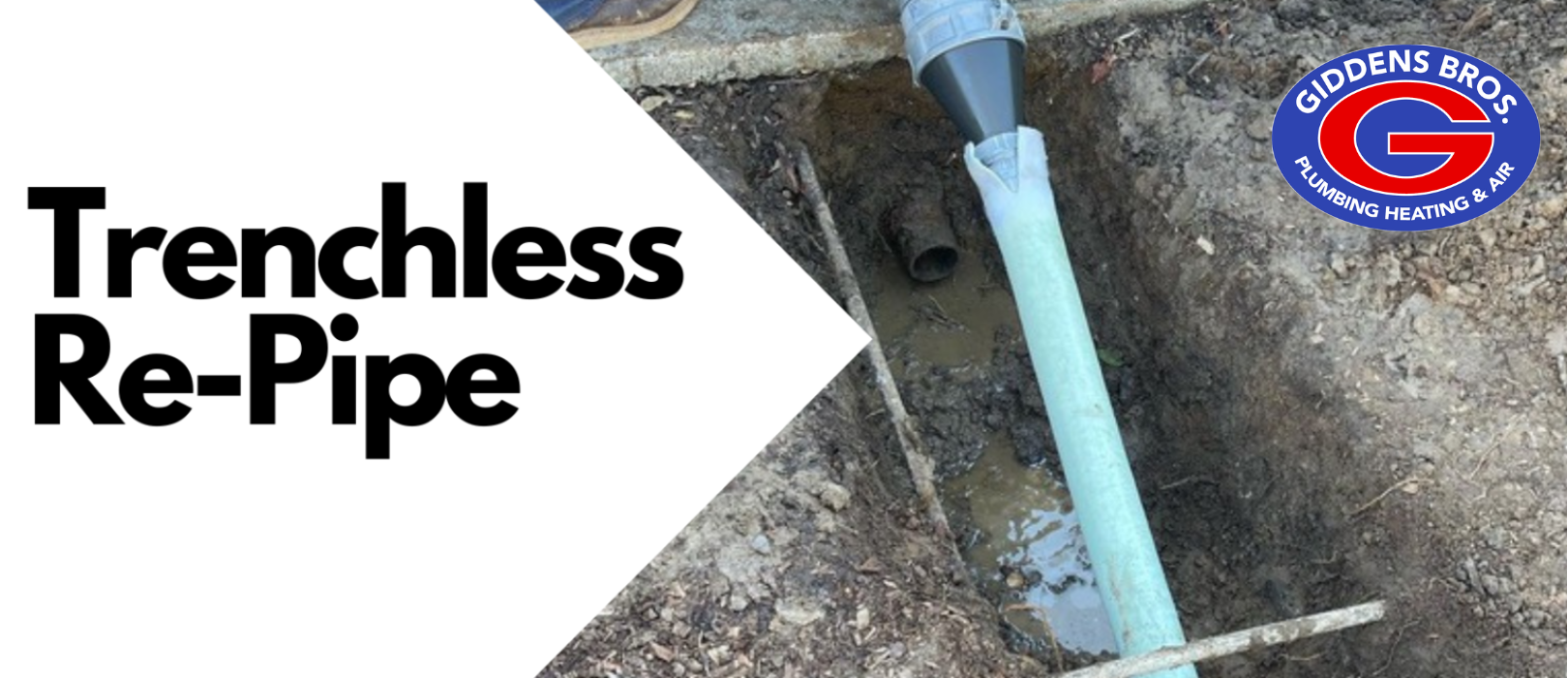
Pipe bursting is a trenchless technique used to replace underground pipes without the need for excavation. This method involves employing a bursting tool to pull a new pipe through an existing one, simultaneously fracturing and displacing the old pipe.
Here are some key points about pipe bursting:
- How it operates
- A hydraulic or pneumatic expansion head travels through the old pipe, splitting and enlarging it. Subsequently, the new pipe is drawn through, filling the space left by the removed pipe.
- Equipment
- Pipe bursting necessitates a pulling machine, pulling rods, an expander head, a retaining device, and a hydraulic power pack.
- Advantages
- Pipe bursting is effective, saving time and resources while causing minimal disruption. It is also environmentally friendly as it does not involve the use of chemicals or pollutants, and the new pipes are constructed from eco-safe high-density polyethylene (HDPE).
Spray Lining/ brush coating:
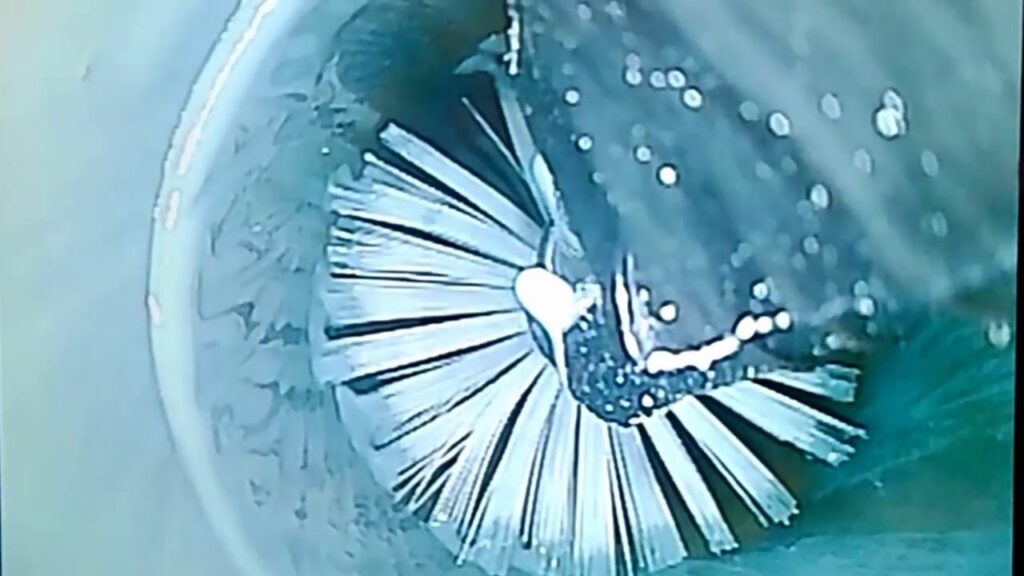
Spray lining and brush coating are methods utilized to protect pipes, from corrosion, wear, and moisture:
- Brush coating
- This technique can refurbish pipes like drains, sewers, and water pipes. It is also effective for creating new pipes or reinforcing connections, suitable for pipes as small as 2 inches in diameter.
- Spray lining
- Involves applying a thin coating material inside a pipe using a spray head, with the option to add multiple layers for desired thickness. Ideal for small diameter pipe rehabilitation projects.
Additional points to note about spray lining and brush coating:
- Preparation
- Prior to coating, pipes may require cleaning to eliminate debris and contaminants.
- Material
- Coating materials vary, including options like epoxy or polyurethane.
- Flexibility
- Some coatings, like polyurea, are more flexible than rigid ones such as epoxy, able to stretch and bridge gaps.
- Environment
- Certain coating systems are eco-friendly, minimizing dust or hazardous waste production.
Cured In Place (CIPP) Lining:
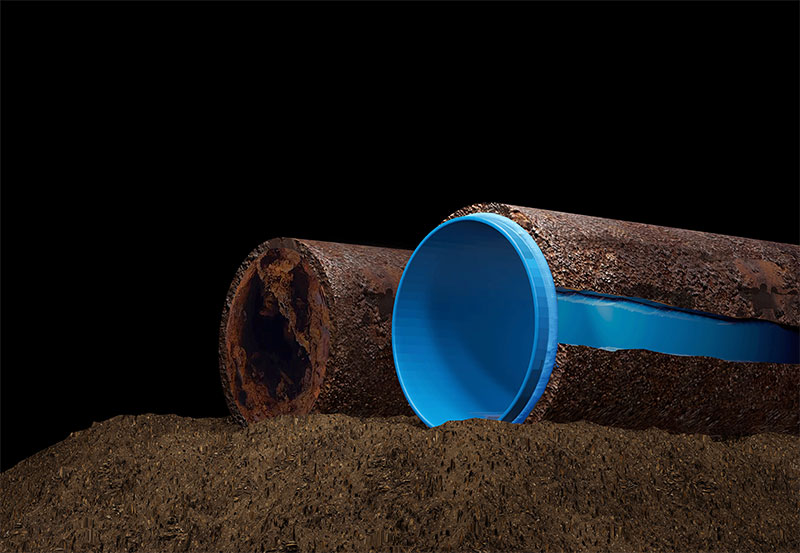
Cured-in-Place Pipe (CIPP) presents a trenchless solution to fix damaged pipes without excavation. This method is commonly used in repairing various types of water pipes, such as sanitary sewers, storm sewers, and drinking water pipes. Here’s how CIPP operates:
- Introduce a flexible liner into the existing pipe.
- Inflate the liner using water or air pressure.
- Subject the liner to heat or ultraviolet light for drying and hardening.
- The liner creates a smooth inner surface in the existing pipe, rejuvenating it almost to its original state.
CIPP is suitable for pipes with diameters ranging from 0.1 to 2.8 meters (2–110 inches) and can repair both short and long pipe sections without requiring upsizing.
E pipe- Potable Waterline Epoxy Coating
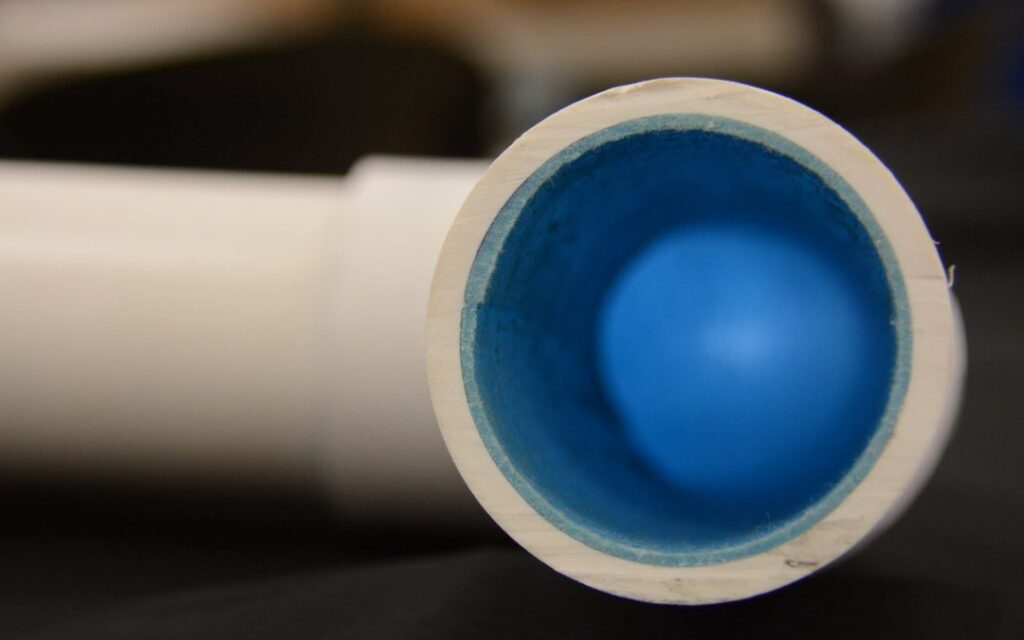
ePIPE is a patented epoxy coating process designed to seal and restore pipes without the need for removal. Here are some key details about ePIPE:
- How it works
A technician clears the pipes, injects epoxy resin, allowing it to cover any leaks, holes, or loose connections. The epoxy coating then hardens to form a new, leak-resistant pipe within the existing one. - Benefits
ePIPE offers a quicker and more cost-effective solution compared to traditional pipe repair methods. It is also a clean process that does not involve opening walls, floors, or ceilings. - Applications
ePIPE is suitable for various environments such as homes, apartments, condominiums, hospitals, hotels, schools, universities, senior living facilities, and government properties.
what our customers are saying
Schedule An Appointment
Send us your information, and one of our team members will contact you as soon as possible!
Fix failing pipes with less digging.
From root-damaged clay sewer lines to leaking water piping, we assess the pipe first and recommend the trenchless method that fits its condition—not a one-size-fits-all repair.
We match the method to the pipe.
Trenchless work still begins with diagnosis. We locate access points, inspect the line and determine whether cleaning, lining, coating or full replacement will deliver a reliable result. Landscapes, driveways and finished surfaces can often remain far more intact than with conventional excavation.
We document roots, cracks, offsets, corrosion, bellies and collapsed sections before recommending a process.
We identify practical entry and receiving points and explain where limited excavation may still be required.
You see which methods fit, what preparation is needed and what the completed repair is intended to accomplish.
How each process is performed.
Every line is different. These are the core steps we use to turn the inspection findings into a practical repair plan.
Pipe bursting
Used when a deteriorated underground pipe needs full replacement and the route can accept a new continuous line.
CIPP lining
Cured-in-place pipe creates a smooth structural liner inside a suitable host pipe without removing the entire original line.
Spray lining and brush coating
Specialized internal coatings can renew select smaller-diameter drains, sewers or water lines affected by corrosion, wear or pinhole leakage.
Potable-water epoxy coating
For qualifying pressurized water piping, an internal epoxy barrier may seal small leaks and isolate the existing pipe wall without opening every wall, floor or ceiling.
A careful assessment prevents the wrong repair.
Root intrusion, cracks, corrosion, recurring leaks and failed joints may be repairable when the line still provides a usable path.
Pipe material, diameter, access, offsets, slope, collapse, soil conditions and connection locations all affect the recommendation.
Trenchless means less digging—not always zero digging. We identify access needs before the project begins.
Roots do not improve on their own.
Get the line inspected before a partial blockage becomes a backup or collapse.
Tell us what is happening.
Share the pipe location, symptoms and any prior inspection findings. A Giddens Brothers team member will follow up to discuss the next step.